
 Posted by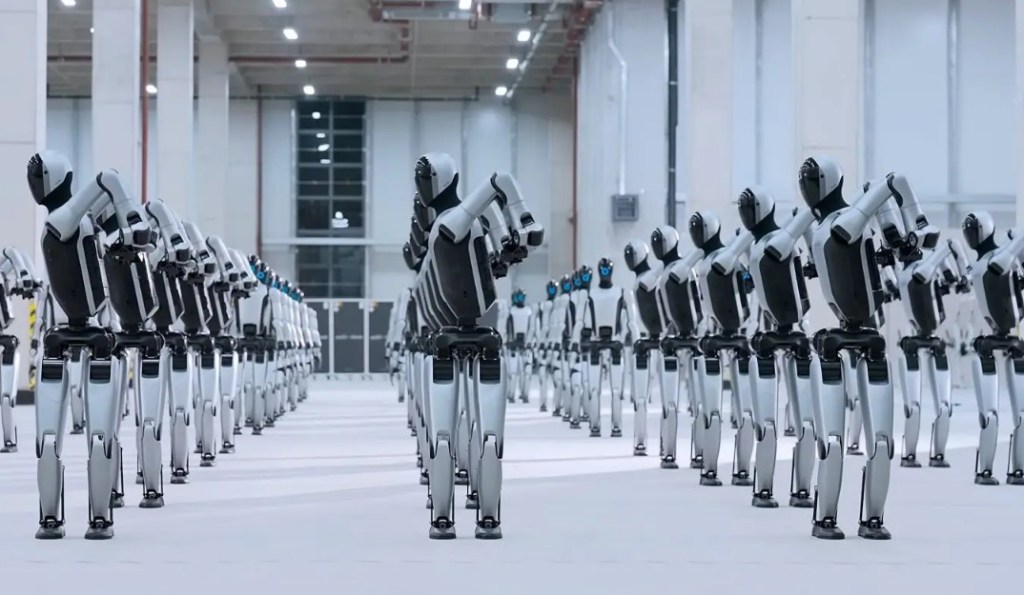
How do geopolitics, tech shifts, regulation, and AI reshape medicine and consumer health? I spoke with Dr Tobias Gantner, CEO of Healthcare Futurists, about the new healthcare multiverse. We didn’t have a crystal ball, but we checked data, long-term trends, and history to foresee what’s next.
We have entered 2026 with several strong signals indicating larger changes in the healthcare market. More than 1,250 AI- and machine-learning-based medical devices have already been cleared by the FDA. In the global market, there are more than 2 million medical devices, and 25 percent of them are already digital. In January, OpenAI announced ChatGPT Health, the first healthcare feature that gives generative AI access to an electronic medical record. In the second half of 2026, a new hardware device from OpenAI will enable AI agents, including personal health and well-being agents, to whisper into our ears what to eat, how to relax, and when to move.
At CES 2026, robots were very prominent, and you may have missed that Elon Musk stated his Optimus robot aims to match the capabilities of the best surgeon by 2029. No matter that predictions by Elon Musk are just marketing gigs, robots are coming.
The World Economic Forum in Davos calls on organizations to build foresight muscle and geopolitical awareness directly into their operating models. Global health cooperation is weakening, with the United States stepping back from the World Health Organization.
Prevention, once the great promise of digital health, is being reshaped again as agentic AI systems move closer to becoming personal health coaches, something medicine has long dreamed of and now increasingly fears. This creates a paradox. Technology is advancing faster than ever, but healthcare systems feel slower, more cautious, and more fragmented. Patients are better informed than ever, yet they are not necessarily making better decisions. The democratization of health and patient empowerment have been promised to make patients independent of doctors, yet demand for healthcare services continues to rise.
What does it all mean for healthcare 2026+?
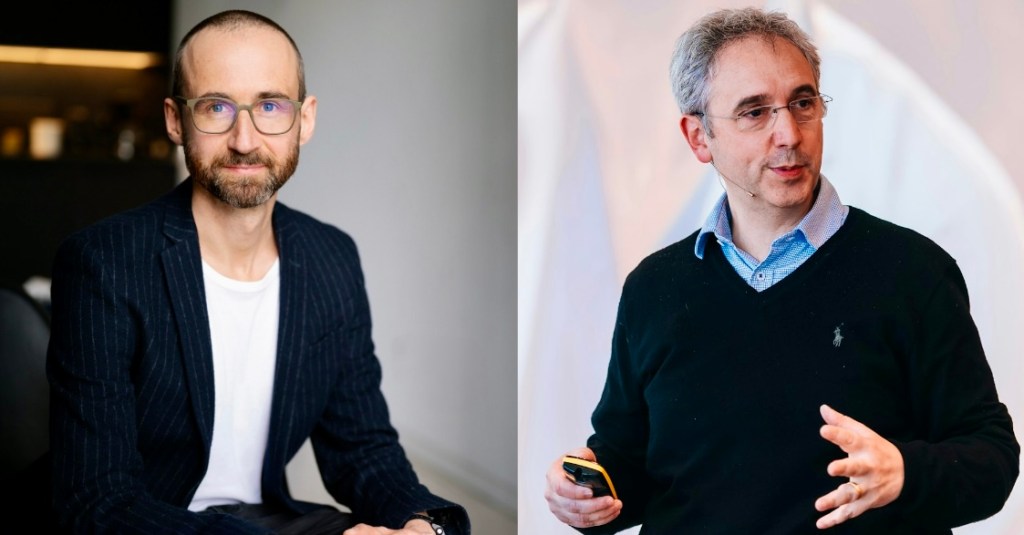
Artur Olesch: Is the biggest barrier to transforming healthcare no longer science, but economics and accountability?
Tobias Gantner: It was about 15 years ago that I stood right here, and I had just finished my residency in surgery. I was invited to present on the 3D printing of medication. All the major figures from large pharmaceutical companies were in the room.
I outlined my vision: 3D-printed medication, its advantages, the required technology, and the steps we would need to take. One person from a pharmaceutical company was inspired by the idea. That moment changed the course of my life when we embarked on a 3-year project to 3D print medications. We developed 3D printers for drugs, and today we can 3D print medication.
Is it reimbursed? That is the other question. And this ties into what you are saying. Healthcare is not only about what we want in an ideal world or how we think healthcare delivery should work. It is about reimbursement. How are we going to pay for this? What are the legal implications of reimbursing it?
Even if we have the technology in place, somebody has to pay the bill. If a surgical robot cuts into an artery and the patient dies, or cuts into a nerve and the patient has a palsy, who is responsible?
Usually, technology is more advanced than we are willing to acknowledge, and more advanced than legislative bodies are eager to accept. This creates a kind of schizophrenic world. We can do a lot technologically, but we also have healthcare deliverers. In the old days, these were doctors. Today, doctors still try to be the high priests of healthcare and to explain what is going on.
However, in medical school, we are not trained in algorithms. We are not even taught bedside behavior. We are trained in old-fashioned anatomy, physiology, and pathology, areas in which ChatGPT and other systems are already better than we are.
You are probably aware of the study published by Microsoft about six months ago, in which they gave rigorous New England Journal of Medicine cases to doctors. The doctors failed miserably. They answered only about 20 percent correctly, while large language models were about 80 percent correct.
I know that psychotherapists are shocked when they learn how many people already use Gemini or ChatGPT as psychotherapists. People do it because there is no blaming, it is available 24/7, and there is no waiting time. They accept the risk that data might leak and still use it.
Are tools such as ChatGPT Health, announced early this year, creating an alternative healthcare system and fundamentally changing how patients trust physicians?
Let us try to make sense of what is happening right now. You already mentioned the ChatGPT Health launch just a few weeks ago. Does this mean we will see an alternative healthcare system separate from doctors? We already know that patients, before visiting a doctor, ask ChatGPT what might be wrong. After visiting a doctor, they also check whether ChatGPT says the same thing. Are we already at the beginning of an alternative healthcare system and the end of trust in doctors’ advice?
Well, I guess we have always had alternative healthcare systems. People went to acupuncture and massage; they used ointments, snake oil, and other remedies. At the same time, we had an official healthcare system funded by government revenue.
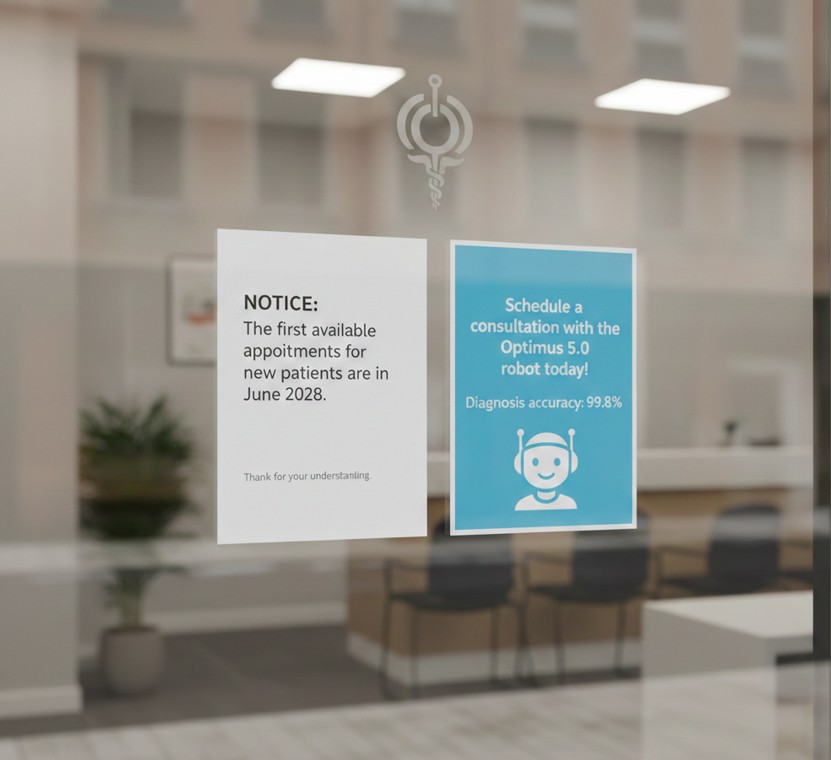
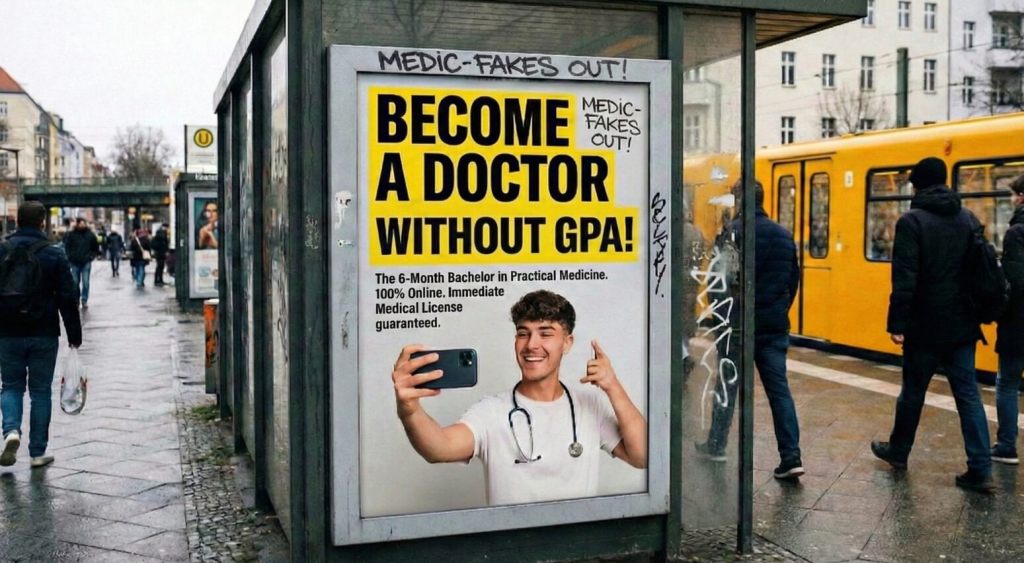
We are now approaching a time when we have more alternatives, such as ChatGPT and Gemini. This is obviously an AI-generated picture, but it is not an artifact of the future. I was simply not courageous enough to take a photo in one of my colleagues’ offices, where something like this is already hanging on the wall.
This represents a huge narcissistic insult. I was at the top of my class in high school. I went to medical school and spent six years of my life in misery. I went through residency, another six years in misery. Then I went to the bank to apply for a loan and was shocked. And after all this humiliation, patients come and tell me, “Doctor, I already know what I have. I need your signature on a digital prescription, and then I will go.”
This means we, as doctors, must rethink how we deliver healthcare. Nursing is also being empowered – in my view, there will be PhDs in nursing. They will do great work by providing care alongside digital healthcare.
People are now more aware of the treatment they might receive after reading about ChatGPT, Gemini, and other tools. Doctors cannot control this anymore.
When I started medical school, the sentiment was still that we were like gods. We wore white gowns and stethoscopes and looked like saints in a church. The attire was largely unnecessary, but it conveyed authority. I graduated from medical school 21 years ago, and times have changed. People need different things from doctors. They need consultation and open ears. We need to change how we treat and educate people.
There will also be greater self-reliance and more prevention, now called “longevity” because “prevention” sounds outdated. These are the alternative worlds of healthcare that we must somehow integrate.
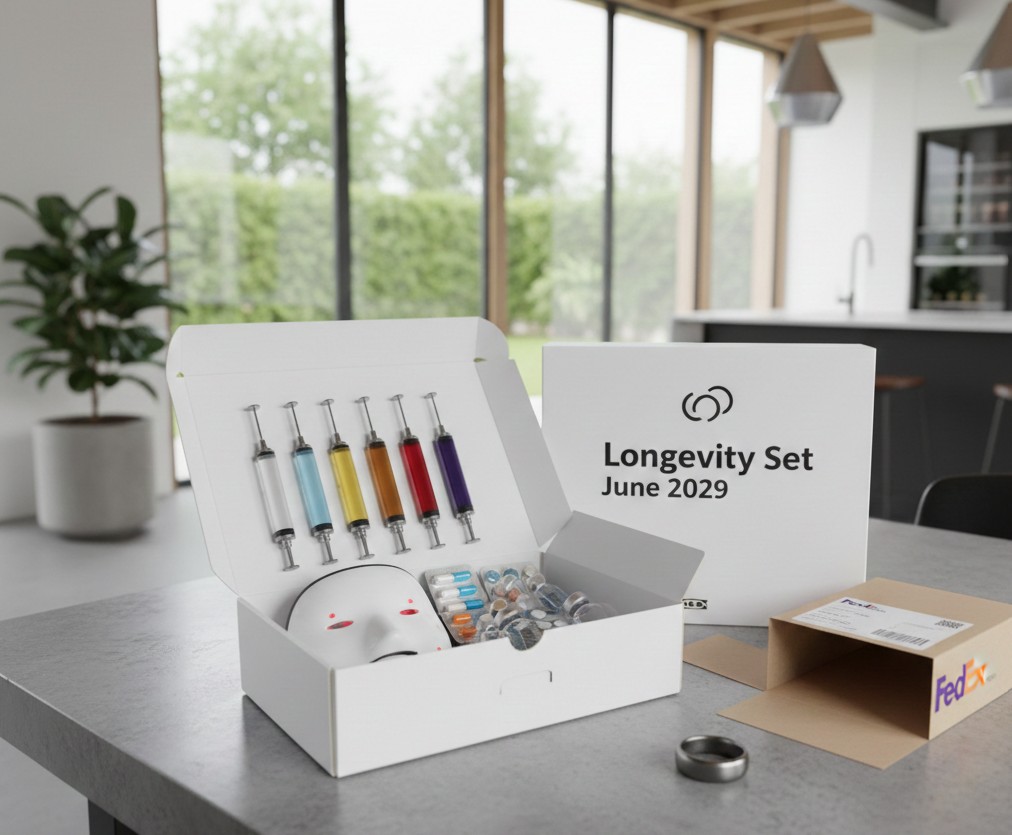
Does this mean medicine is shifting from treating illness to a new role for doctors as health architects or coaches?
Yes, I think so. I believe this is where we are going. Let me show this. This is an artifact of the future: an AI system running in the doctor’s office, like a safety belt. When you drive a car, you wear a seatbelt, but you do not have an accident every time. You wear it just in case something happens.
I think the same should apply to doctors. We should have an AI safety belt. If what we say as doctors is total garbage, which sometimes happens, the AI would politely say, “Doctor, could you please reconsider your initial statement? There is evidence that the patient has XYZ.” Then, together with the patient, the decision should be finalized.
From my clinical practice, I know that educated patients adhere to therapy much better than those who are told to take medication and come back in two weeks.
This also comes with responsibility. Doctors and patients must not unquestioningly trust AI. Blind trust leads to deskilling. A well-known study published in The Lancet found that gastroenterologists using AI for colonoscopies became deskilled after three months.
In the study, one group used AI-supported colonoscopy for three months. The other group continued without AI. When the AI was taken away, the doctors who had used it performed worse. We say doctors become deskilled. We have to take this seriously. I see it in my children and in myself. If I rely too much on AI, I do not use my brain. If I do not train my brain muscle, it becomes lazy.
We must understand what AI does and how it works. It is a safety belt, not a driver. We also need to educate patients that not everything AI says is correct. My colleagues often dislike this approach. I tell them that when you take a plane, the pilot does not turn off the autopilot to show how good they are. They rely on it.
For mathematicians, it is the same. Using a calculator is not an insult. It does not mean they cannot do math. It is a tool to reach the correct result. This is how I see healthcare in the future.
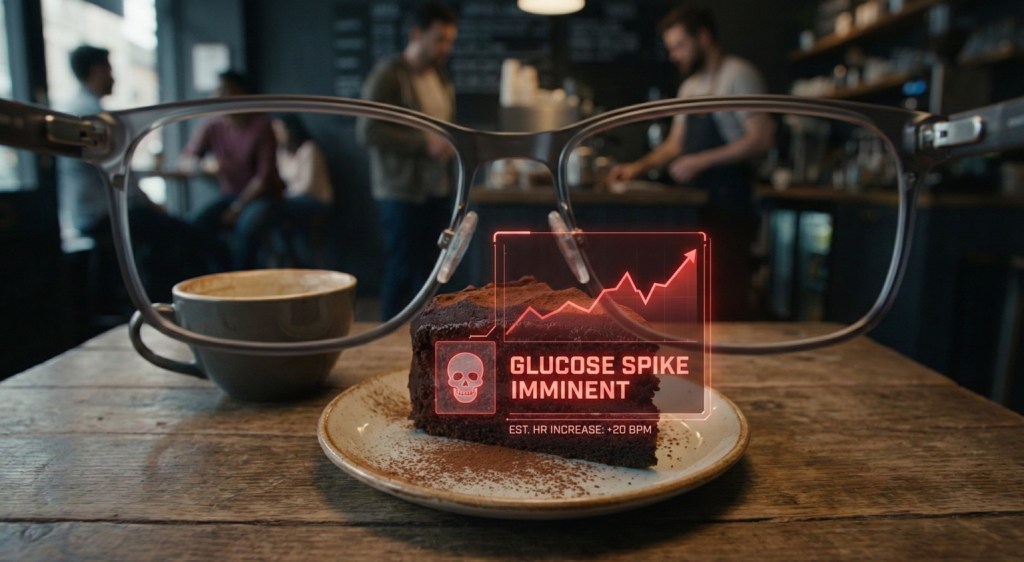
Listening to you, I already feel a kind of tension. I also had this feeling in the morning. We are discussing technologies such as AI, virtual reality, and medical devices. But healthcare systems are very slow to change. The technology is fabulous and ready to use, but the healthcare system still looks like it did ten years ago.
The problem is reimbursement, I mentioned at the beginning. Many of these technologies are not reimbursed, so they are not available to all patients. Perhaps only to private patients or to those who can pay for longevity services. Brian Johnson spending two million dollars on longevity is one example. Will this change? Will healthcare systems finally recognize this as an opportunity, or will technology continue to evolve while policy and regulation lag?
I do not think there is such a thing as “blaming society” or “the healthcare system” as an abstract concept. We live in a democracy. We shape the healthcare system when we vote and when we discuss with politicians.
The question is not whether it will change, but how.
If this is what insurance payers want and what people vote for, then this is what they will get. My anatomy teacher used to say life is a sexually transmitted disease that ends in death. There is no absolute security. If you introduce a new treatment, it must be superior to the existing one. But the real questions are whether it is cheaper, faster, or more applicable. These are decisions made by society, not by scientists.
This leads back to values, attitudes, and ethics. When I teach ethics and values in healthcare at university, people roll their eyes and say it is boring. But it is not dull. It concerns questions such as whether a 99-year-old should receive a hip replacement, whereas a toddler does not receive a flu shot.
We are seeing dystopian examples, such as bored crypto millionaires trying to reverse aging. Do we want that as a society? I do not know. We need to discuss it.
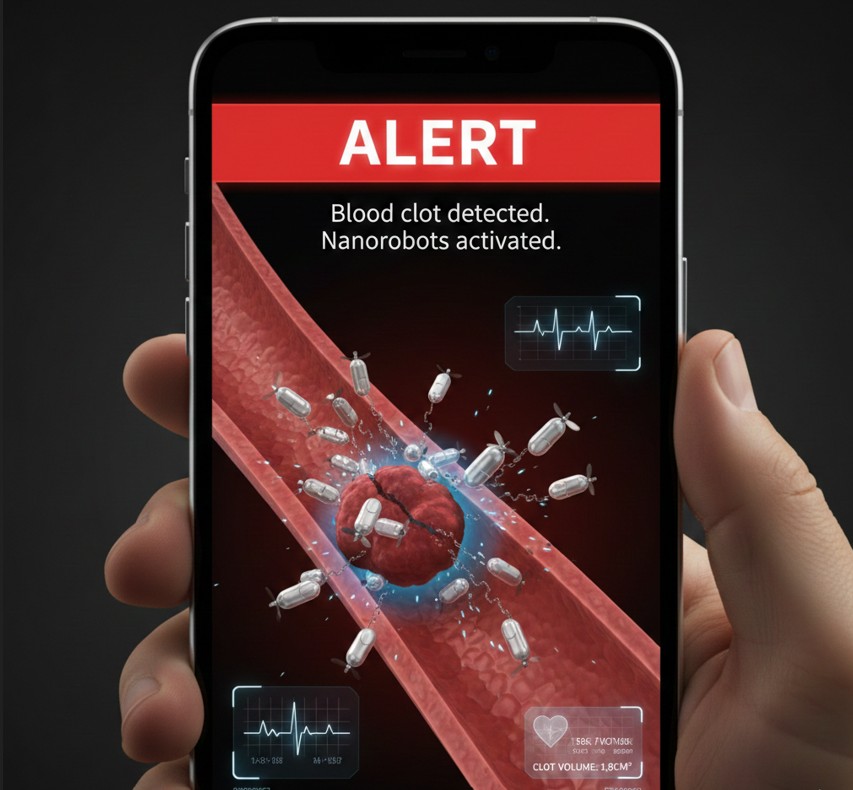
As healthcare becomes increasingly do-it-yourself and technology-driven, who will ultimately be responsible for our health?
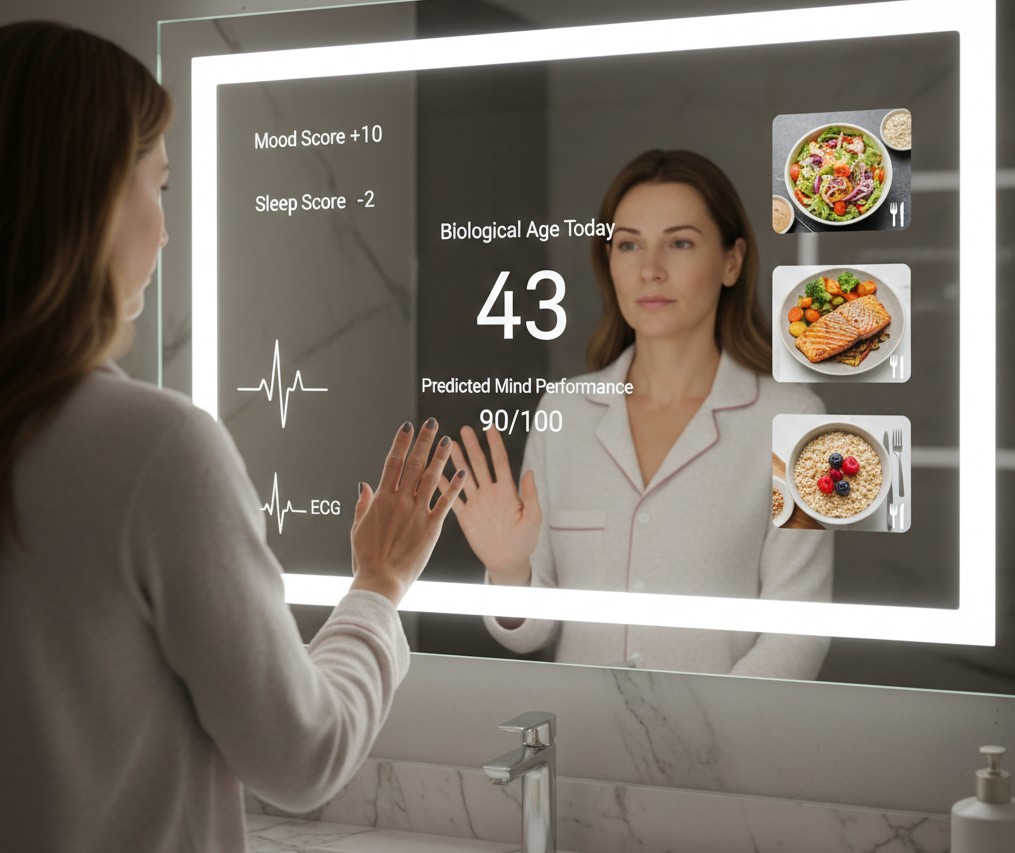
This is another artifact of the future. Will we have an IKEA version of healthcare? In a way, we already do. The longevity bubble is one example. You visit a longevity clinic and pay out of pocket. You also undergo blood tests, out of pocket. You receive your biometric data. Companies then offer supplements and health products. It becomes a structured routine, like assembling furniture at IKEA.
People hack their own health. It has not yet reached a fully regulated mainstream form, but we are moving in that direction, especially as governments withdraw from healthcare. If governments say they cannot pay any further, healthcare becomes privatized, with increased out-of-pocket payments or even penalties for unhealthy behavior.
Remember that the expectations of the healthcare system are growing. Before the information revolution, people wanted to cure their illnesses. Today, the priority is well-being and a sense of security, which is driving the development of technologies such as whole-body MRI. These technologies, admittedly, do not guarantee that we are or will remain healthy, but they sell the promise of it.
The healthcare system is lagging behind societal evolution, and private services and simple health advice from influencers are filling this gap.
The introduction of the printing press led to the dissemination of knowledge and the widespread circulation of books such as The Hammer of Witches. Will widespread access to medical information lead to the triumph of misinformation over truth and science?
I believe Gutenberg’s printing press paved the way for new sciences. In agricultural societies, people did not read. There was no understanding that visual acuity differed between people. Then, book printing came along. People began reading, primarily the Bible and popular knight tales. One person had to hold the book close, while another held it far away. We noticed a difference in the eyes.
A Dutch company said, ” Let us build glasses and sell them. That is how glasses were invented. Later, people assembled lenses and examined green leaves, observing chambers. Chamber in Latin is cellula. That is how cell biology was developed. Others looked at the stars and planets and introduced astronomy. And so on. The positive impact of democratization of access to knowledge still outweighs the negative aspects. If the balance changes, we will need to reconsider the system of liberal democracy, which is currently the best we have.
We are on tour! Book “Artefacts Of The Healthcare Future” debate/keynote/workshop feat. a tailored handbook for participants/organization. Send a request here >
 about Digital Health