
 Posted by
Every year, Time magazine lists the top innovations changing our lives. From this year’s list of 200, we’ve selected 24 of the most promising inventions for health. These include creative gadgets for patients, advanced solutions for healthcare professionals, and life-saving medical devices—tech advancements that transform healthcare.
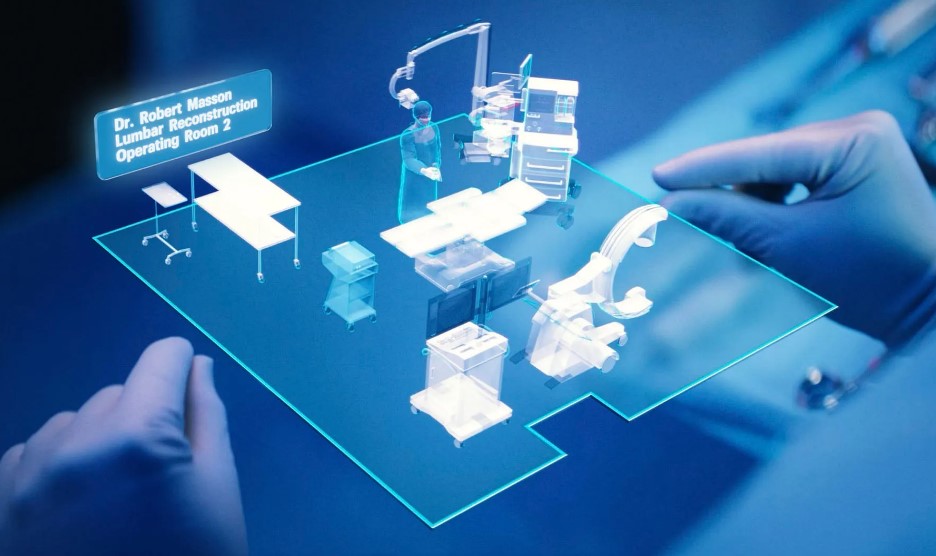
EXeX ExperienceX is an augmented reality tool that creates a virtual map of the operating room tailored to a surgeon’s preferences, helping assistants organize tools more efficiently. A non-AR version is also available on the iPad. The system reduces delays and waste by bringing organizational simplicity to surgical procedures.
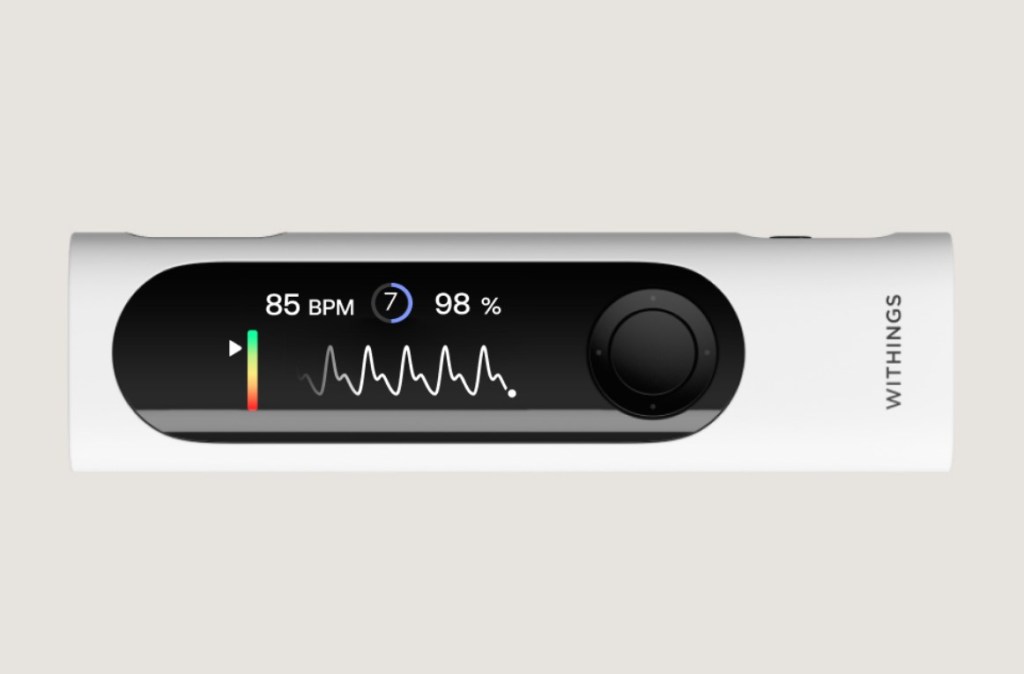
Withings BeamO is a compact at-home health monitoring device that combines four sensors to measure body temperature, lung sounds, heart activity, and blood oxygen levels. It syncs medical data to an app, allowing users to track the health of up to eight people and share insights with doctors for remote diagnoses. BeamO looks cool and makes advanced medical check-ups accessible from the comfort of the home.
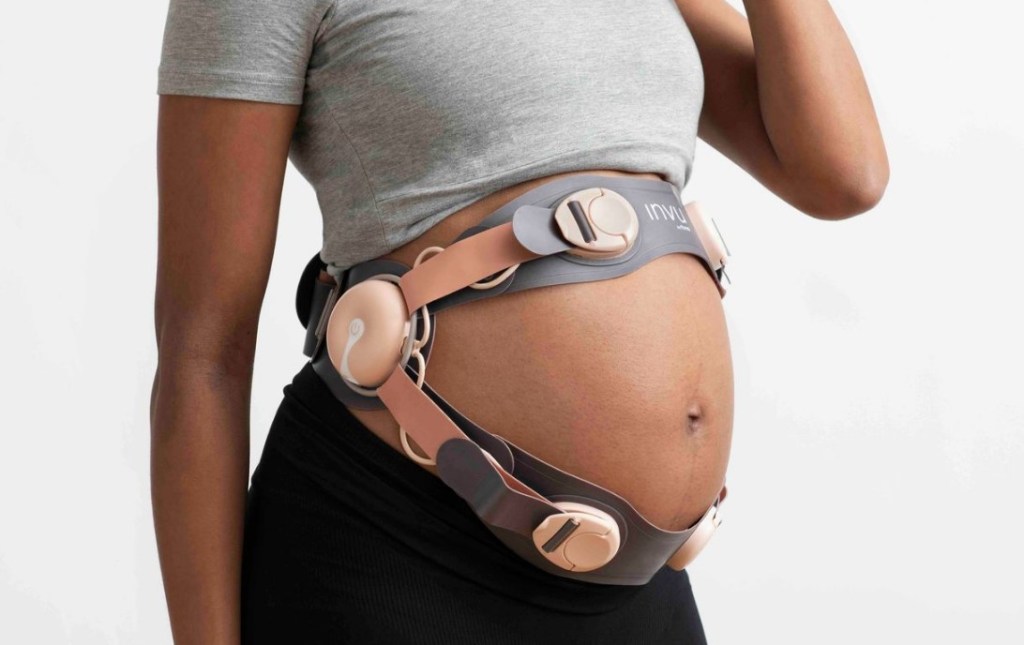
Nuvo’s Invu is a wearable pregnancy monitoring device designed to remotely track the health of mother and baby during high-risk pregnancies. It uses a band with 12 sensors, combining ECG and acoustic technology to measure fetal and maternal heart rates and contraction activity. Invu enables real-time health monitoring from home, providing critical data to doctors without the need for frequent in-person visits.
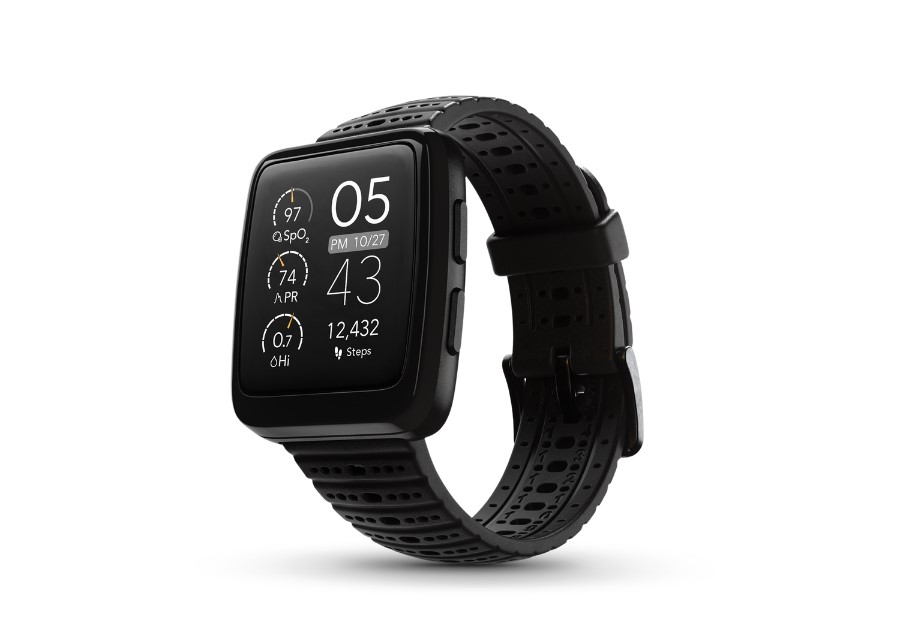
Masimo W1 Medical watch is a wearable device approved by the FDA for continuous tracking of oxygen saturation (SpO2) and pulse rate. It delivers medical-grade accuracy and monitors the perfusion index to assess blood circulation, with 70,000 measurements recorded daily. The outcome: precision and continuous data, essential for managing chronic conditions effectively.
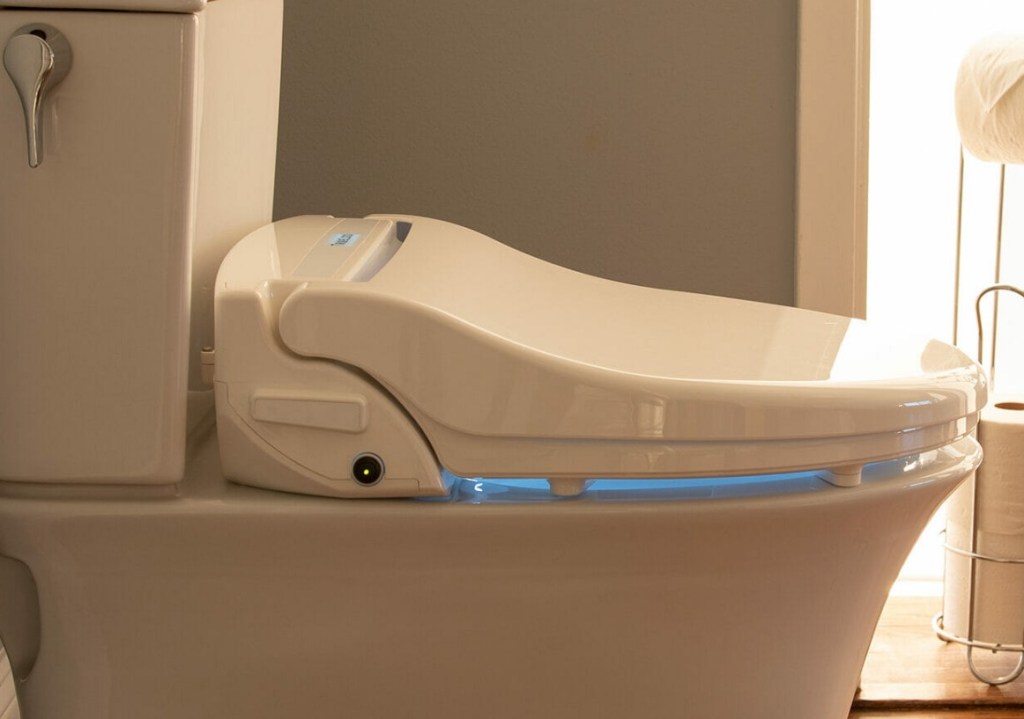
Toi Labs’ TrueLoo is an AI-powered toilet seat that scans stool and urine for health-related changes, providing continuous monitoring and analysis. Designed to fit standard toilets, it is already in use at over 50 senior living facilities, delivering alerts and data to caregivers with plans for a user app. TrueLoo “transforms everyday waste into actionable health insights,” enabling proactive care with minimal disruption to daily life.
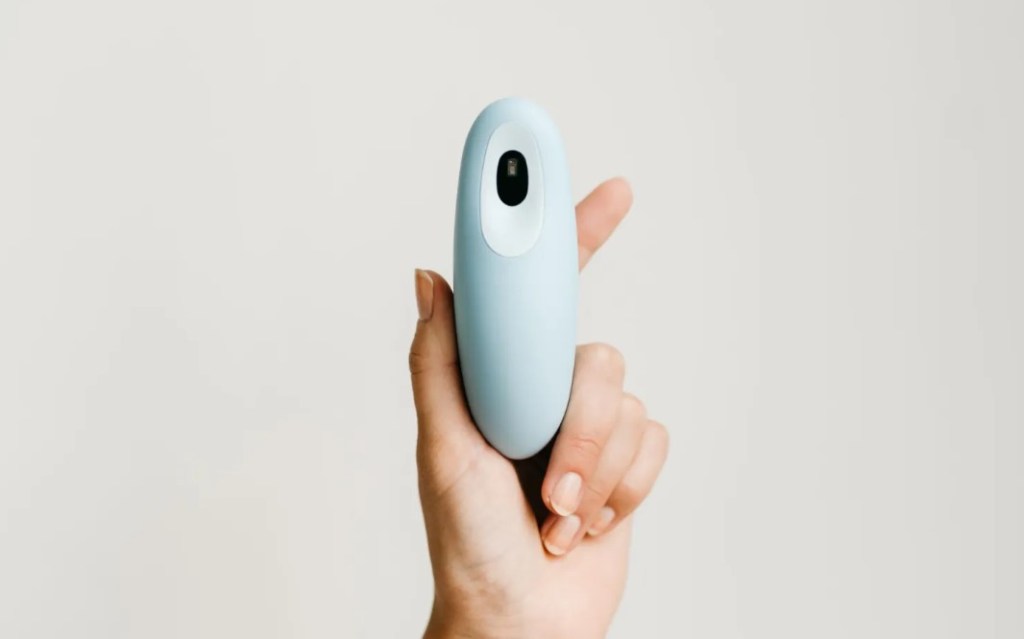
Moonbird is a palm-sized, screen-free breathing coach designed to help users achieve a calmer, more restful state. The ergonomic device expands and contracts gently, guiding users to synchronize their breathing for relaxation and better sleep. It’s a simple, tactile alternative to traditional meditation tools, free from screen distractions. Breathe in, breathe out, and fall asleep.
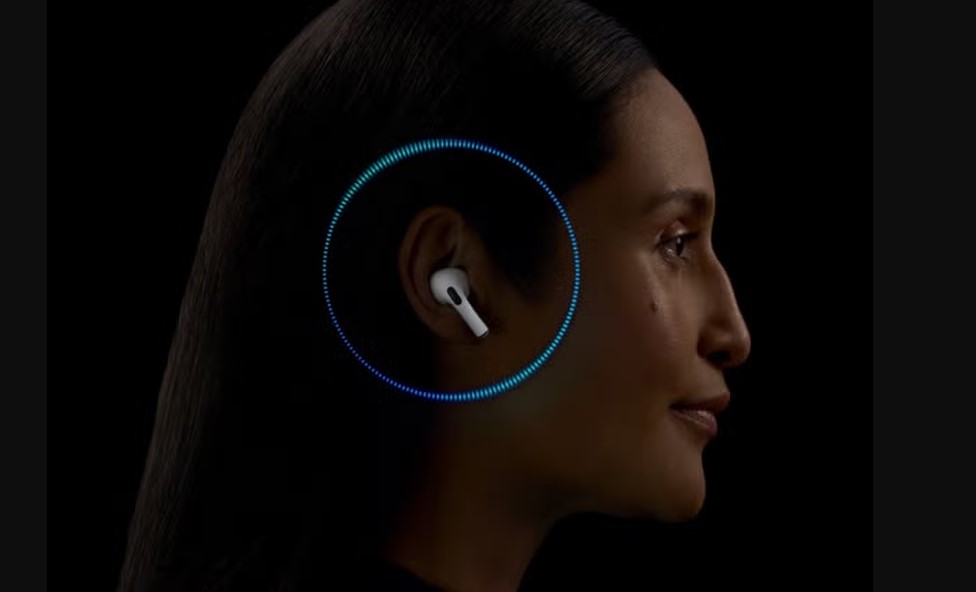
Apple’s AirPods Pro 2 are now FDA-cleared to function as hearing aids for individuals with mild to moderate hearing loss. Using an iPhone-based clinical-grade hearing test, users can adjust amplification levels via the Apple Health app, eliminating the need for traditional, costly hearing aids. AirPods2 transforms widely used consumer devices into accessible, customizable health tools. Seniors no longer need to feel ashamed of wearing hearing aids.
Arc’teryx and Skip Mo/Go are hiking pants equipped with lightweight electric motors and carbon fiber structures to assist with uphill walking. The battery-powered exoskeleton provides a 40% muscle boost on inclines and reduces perceived weight by up to 30 pounds, with removable mechanics for washing. MO/GO combines wearable technology with outdoor gear to enhance mobility and comfort for individuals experiencing knee pain. One disadvantage: the price of $5.000.

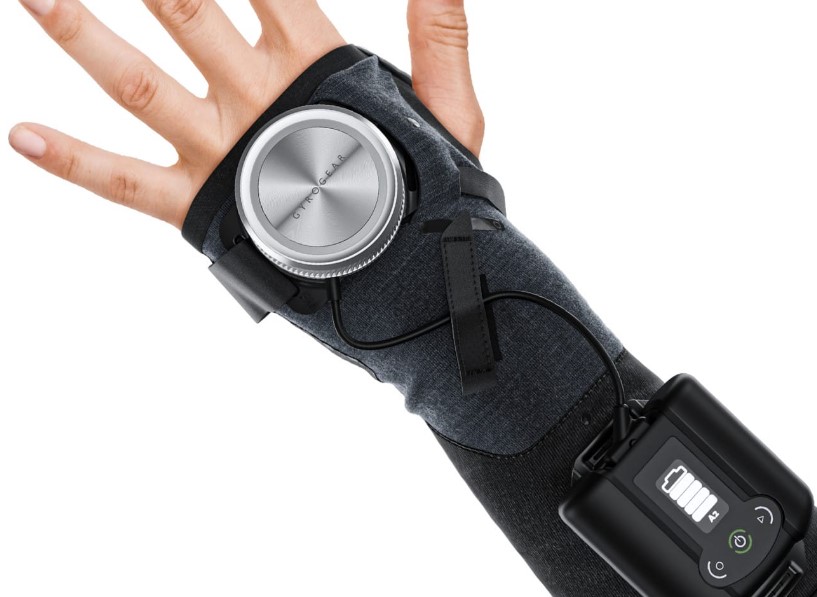
GyroGear’s GyroGlove is a medical device designed to reduce hand tremors caused by essential tremors. It uses a gyroscopic spinning disc to counteract involuntary muscle movements. Powered by a battery pack on the forearm, the glove stabilizes the hand, providing relief from tremors in real-time. It leverages technology to offer a practical, wearable solution for managing tremors without invasive treatments.
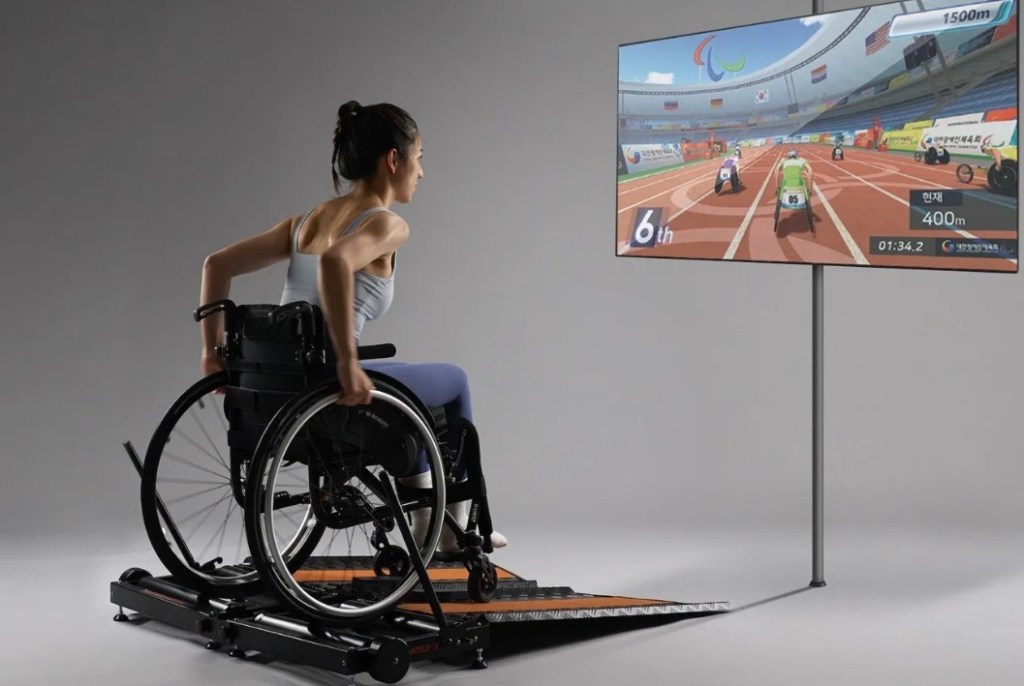
Kangsters‘ Wheely-X is a wheelchair treadmill made to provide accessible exercise for individuals with limited mobility. It pairs with apps to offer interactive workouts, including wheelchair racing games and seated yoga and can be used with a tablet for added functionality. Wheely-X creates a fun, effective way for wheelchair users to build strength and mobility, improving daily life and independence.
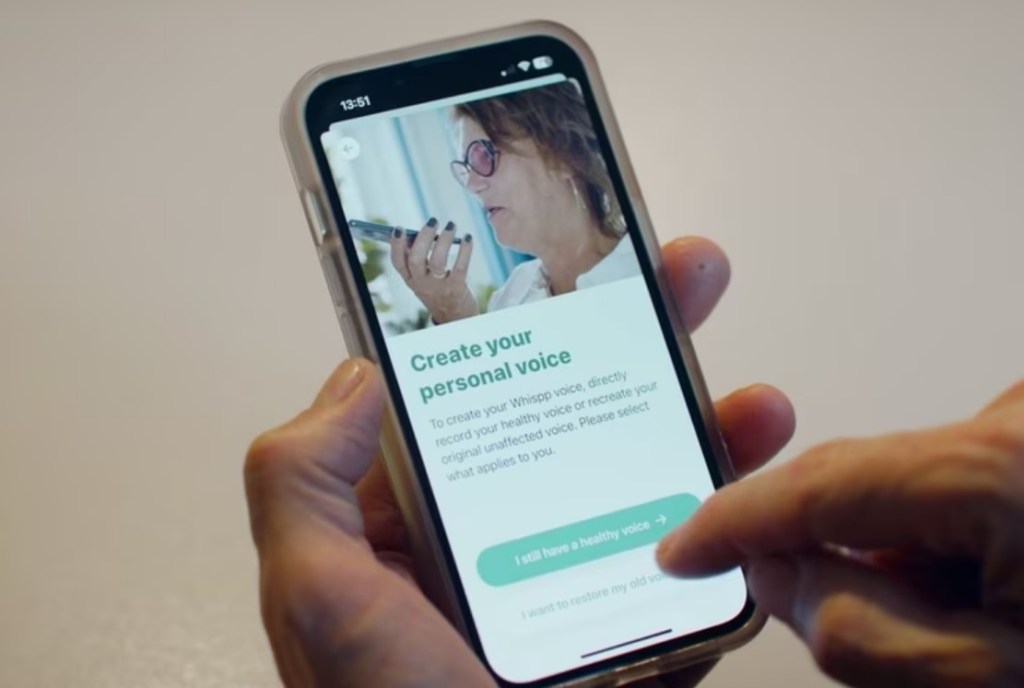
Whispp is an AI-powered app that transforms whispered or raspy speech into natural-sounding speech in real-time, aiding individuals with severe stutters or vocal disabilities. It uses a dataset of both spoken and whispered phrases to train its model, offering less than half a second of latency during phone calls. The advantage is clear communication for users with speech difficulties and their improved ability to engage in daily and work-related conversations. Such a small thing with such immense support for patients.
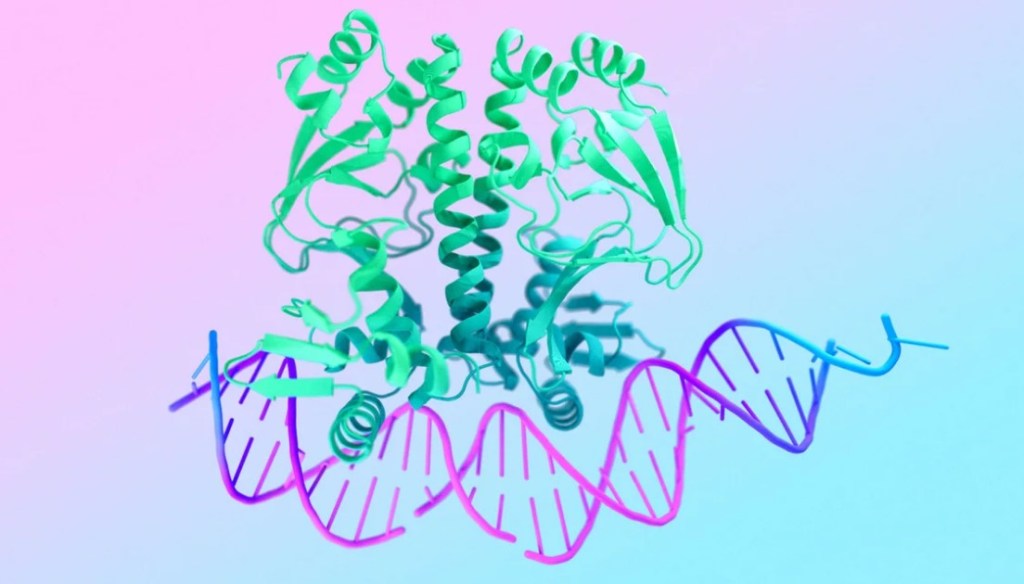
Google Deep Mind’s AlphaFold 3 is an advanced machine-learning algorithm that predicts how proteins interact with DNA and other molecules, building on its predecessor’s ability to map protein structures. Released in May, it represents a significant leap forward in understanding molecular interactions. Nobel Prize 2024-awarded innovation enhances drug discovery and biomedical research by providing more accurate insights into protein behavior and interactions.
EarliTec Diagnostics’ EarliPoint is an FDA-authorized autism diagnostic test for children aged 16 to 30 months that uses eye-tracking technology to assess social interaction skills. The test involves watching short videos while a specialized camera captures 120 data points per second, providing rapid insights into potential autism spectrum disorder. EarliPoint’s innovation lies in offering an accessible, easy-to-administer test that enables earlier diagnosis and intervention, leading to better educational outcomes.

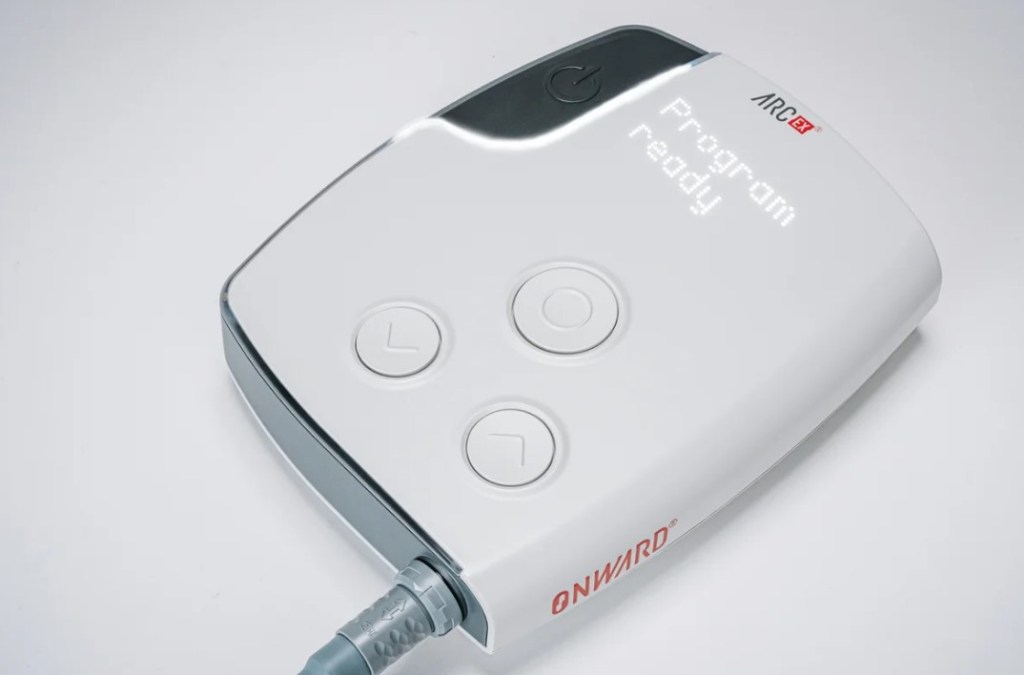
ARC-EX is an electrical stimulation therapy developed by Onward Medical that uses external electrodes to amplify brain signals and help patients with spinal cord injuries regain strength and sensation. A study published in Nature showed that 90% of patients recovered some functionality, even those with injuries from decades ago. ARC-EX amplifies weak brain signals, offering a promising treatment for spinal cord injury recovery.
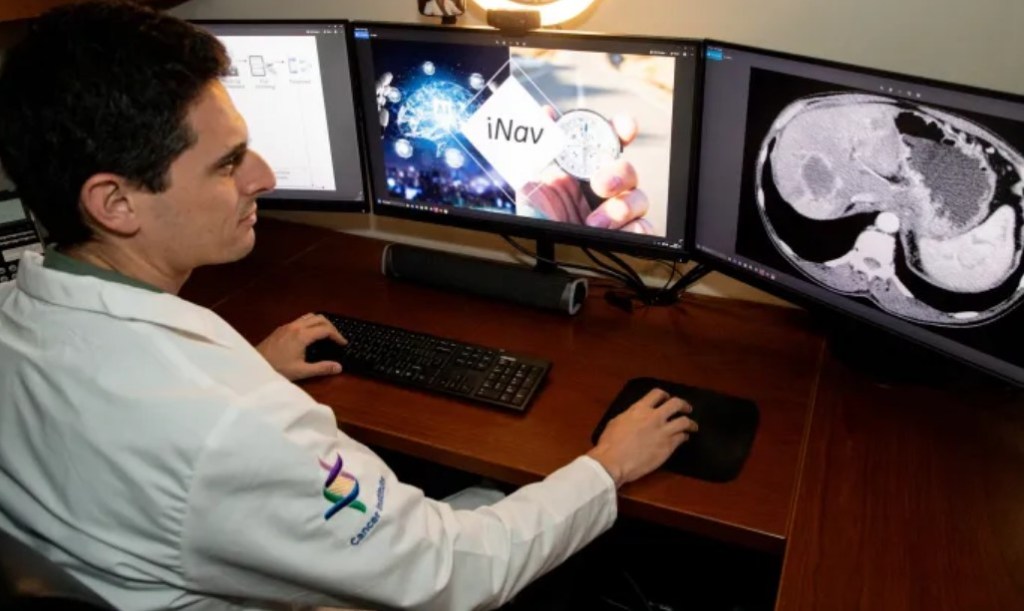
iNav is an AI-powered system developed by Northwell Health that analyzes MRI and CT scan images for signs of pancreatic cancer, even when taken for unrelated health issues. The system has reduced the time to treatment by 50%, enabling faster diagnosis and care. It proactively identifies cancerous masses or lesions, allowing earlier detection and potentially improving survival rates for pancreatic cancer patients.
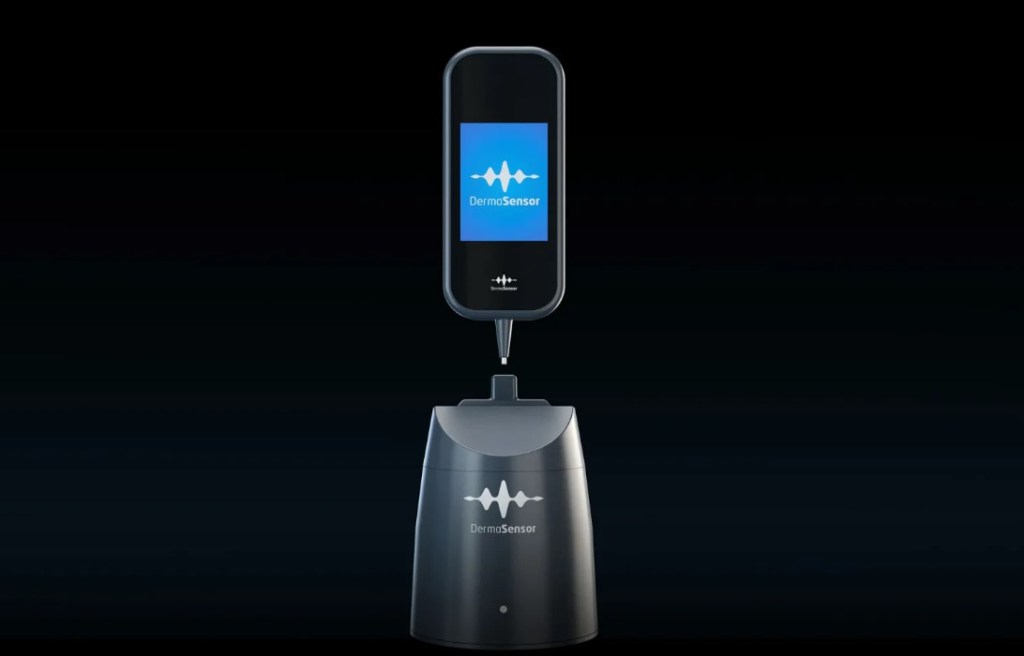
DermaSensor is an FDA-cleared device that enables non-specialist physicians to detect likely cancerous skin lesions using optical spectroscopy. The device analyzes tissue by deploying light to quickly identify malignant lesions with accuracy comparable to in-person dermatologists. DermaSensor empowers primary care physicians to perform efficient skin cancer screenings, reducing waiting times for patients and improving access to care.
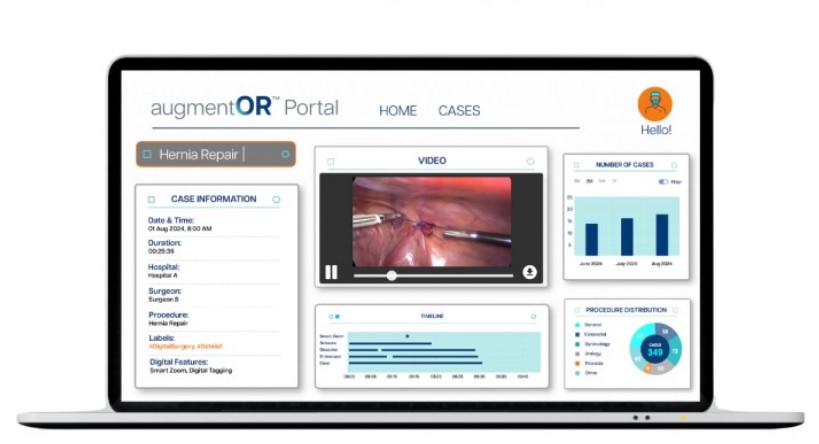
AugmentOR Portal is an AI-powered system developed by Asensus Surgical that analyzes surgical performance using data from robotic surgeries and associated cameras. The portal generates reports that help surgeons identify areas for improvement, such as avoiding accidental tissue nicks during procedures. It provides real-time, data-driven insights that bridge the skill gap between surgeons, enabling continuous learning and enhanced surgical outcomes.
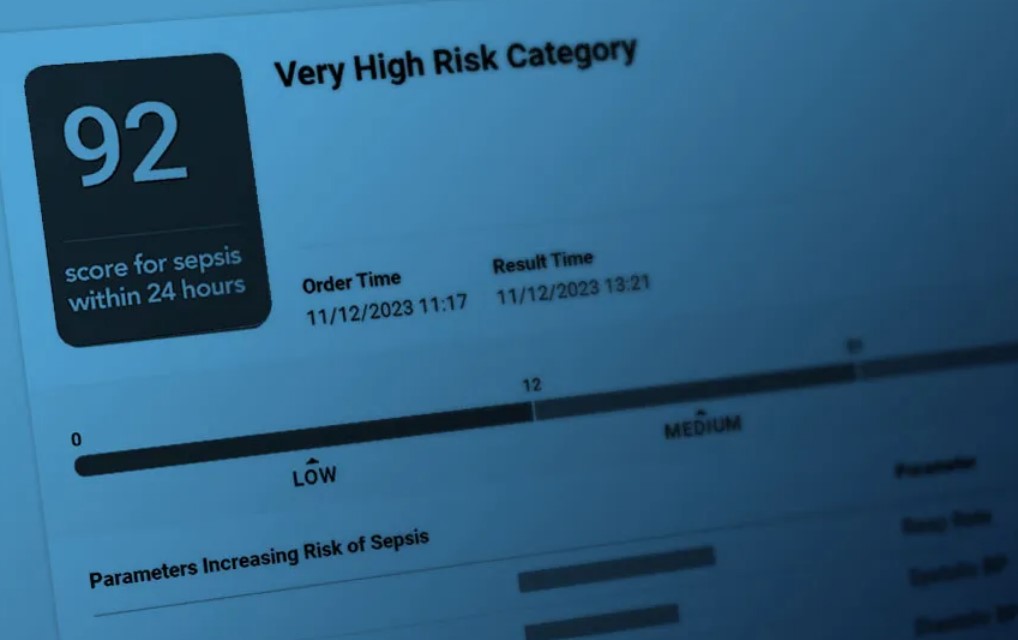
Sepsis Immunoscore is the first FDA-authorized AI diagnostic test for sepsis, developed by Prenosis to diagnose infections and predict which patients are at risk of severe sepsis in the next 24 hours. The test uses an AI algorithm that analyzes 22 health metrics, such as vital signs and blood measurements, to generate a sepsis risk score, helping doctors make more informed treatment decisions. It offers real-time predictive capabilities, enabling earlier intervention and better-targeted treatments for sepsis.
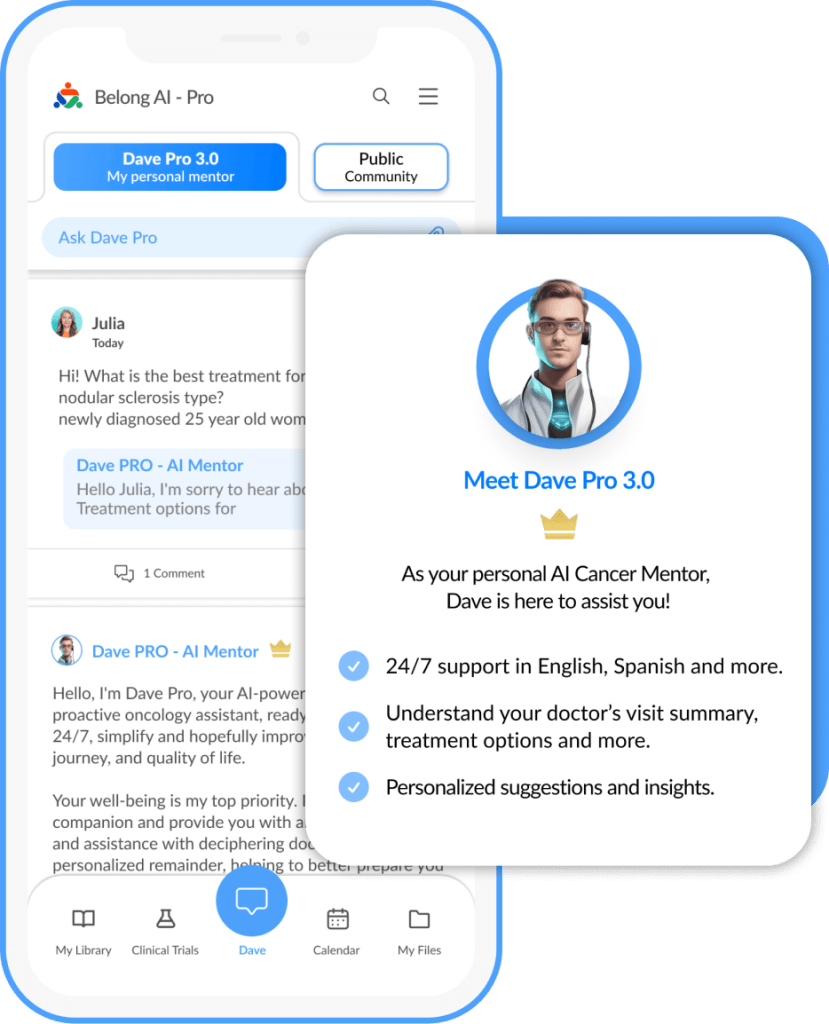
Dave is an AI chatbot app designed by BelongAI to support cancer patients by answering their questions and simplifying medical documents. Trained on eight years of real-world patient data, it provides guidance when doctors aren’t available and offers personalized, on-demand assistance, helping patients better understand their condition and treatment plans.
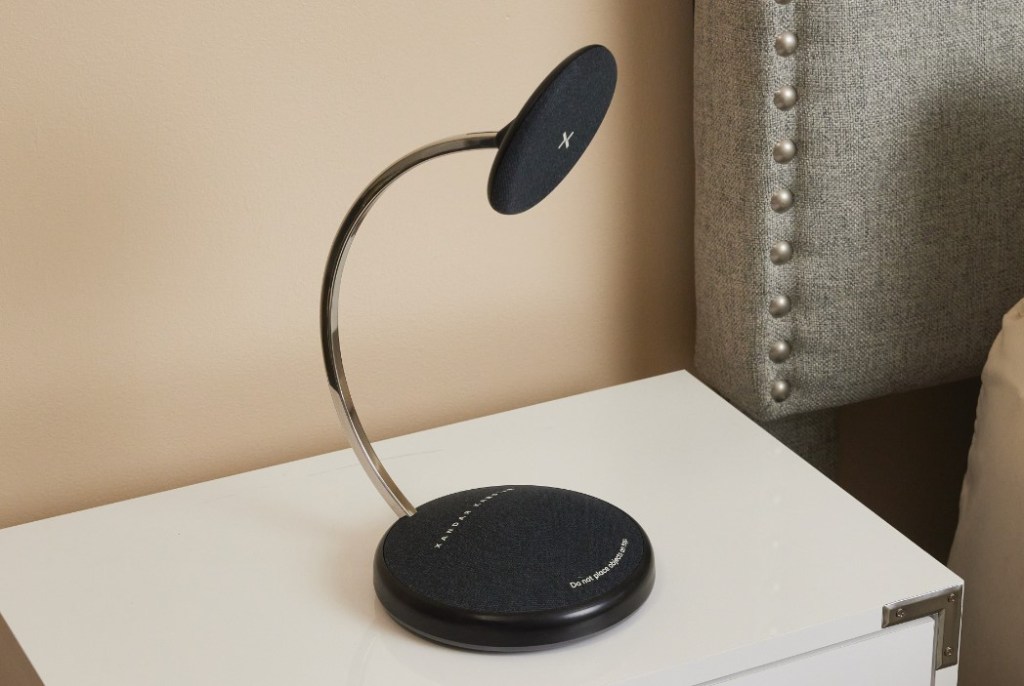
Xandar Kardian’s XK300-H is an FDA-cleared radar-based device that monitors heart and respiratory rates of room occupants without the need for physical body monitors. It is particularly beneficial in nursing homes and care facilities, offering non-invasive, continuous monitoring of patients. An accurate vital sign tracking without direct contact ensures comfort and ease of use in healthcare settings.
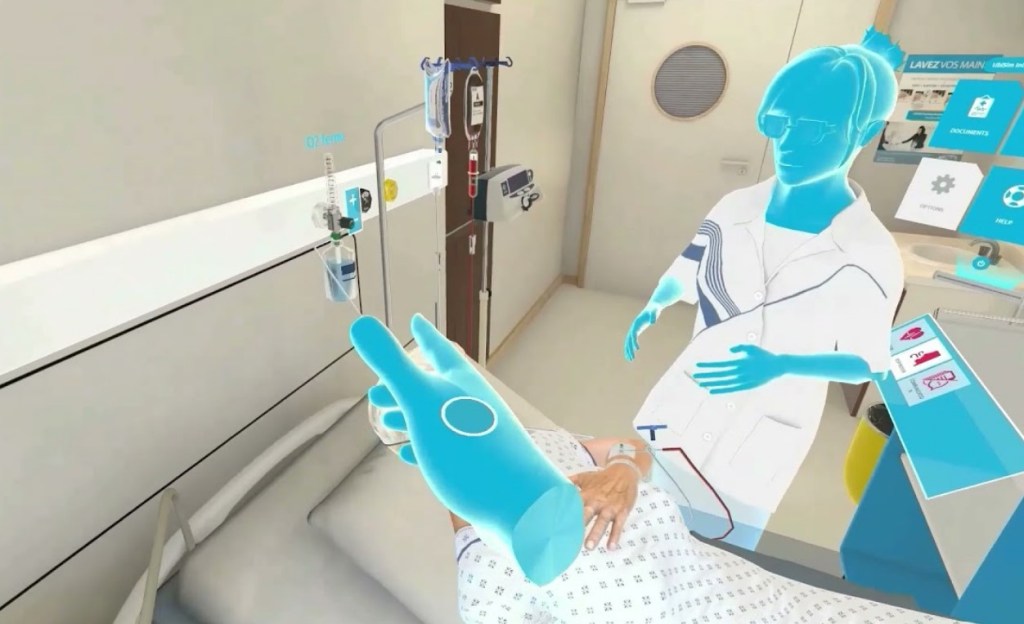
UbiSim is an immersive virtual reality training system by Labster that allows nurse trainees to practice caring for real-life patients in simulated scenarios. The system recently added inclusive upgrades, featuring patients who are transgender, Black, or living with conditions like HIV and mpox, with customizable storylines and dialogues for institutions. VR training promotes cultural humility and addresses healthcare disparities by offering diverse training experiences for future healthcare providers.
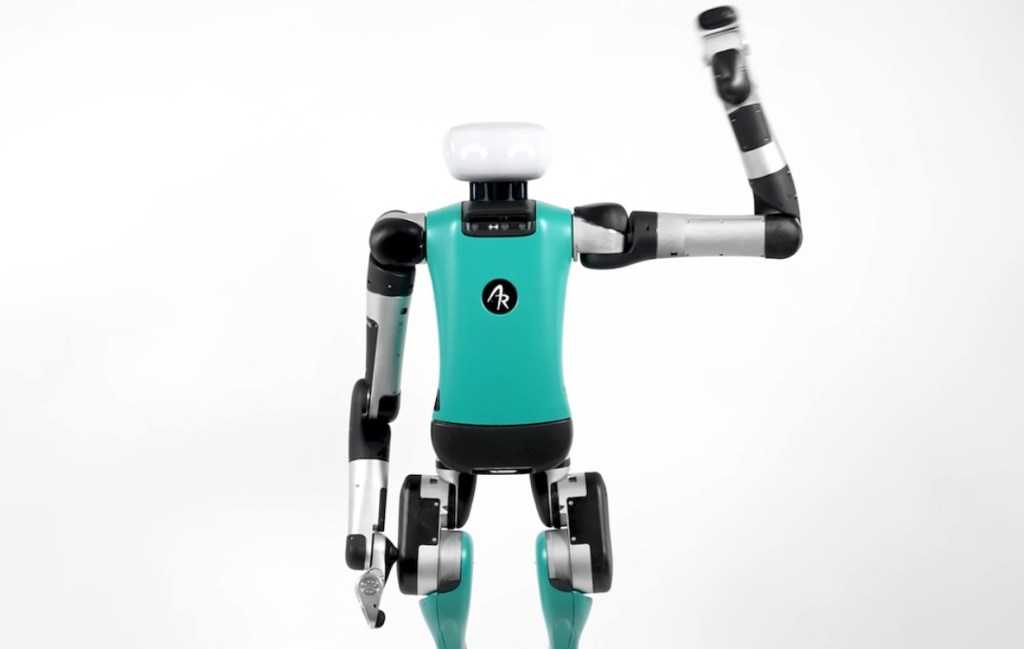
Agility Robotics’ Digit is a humanoid robot trained by AI to perform physical tasks in manufacturing and logistics. Already deployed in facilities like GXO and Amazon, Digit is expected to return its investment in less than two years. It’s the first humanoid robot paid to work, with plans to work alongside humans by 2025. So far, Digit doesn’t work in hospitals, but who knows – the pace of progress in robotics is enormous.
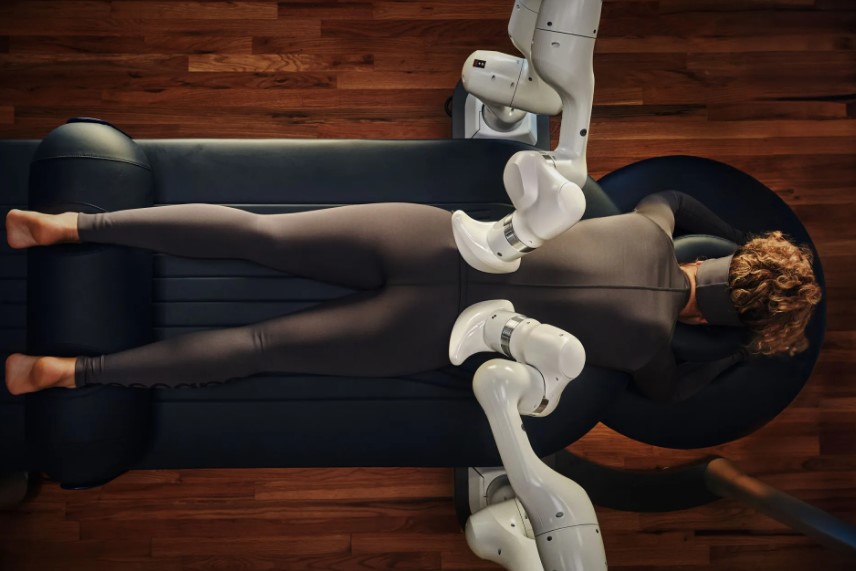
Aescape offers a fully automated massage experience with robotic arms that use machine learning and full-body scans to create personalized treatment plans. Through a touchscreen interface, users can control pressure, target areas, and adjust ambiance. It’s the first robotic, on-demand massage that works simultaneously on both sides of the body, cutting massage time in half. You can even set the preferred robot palms’ temperature and music!
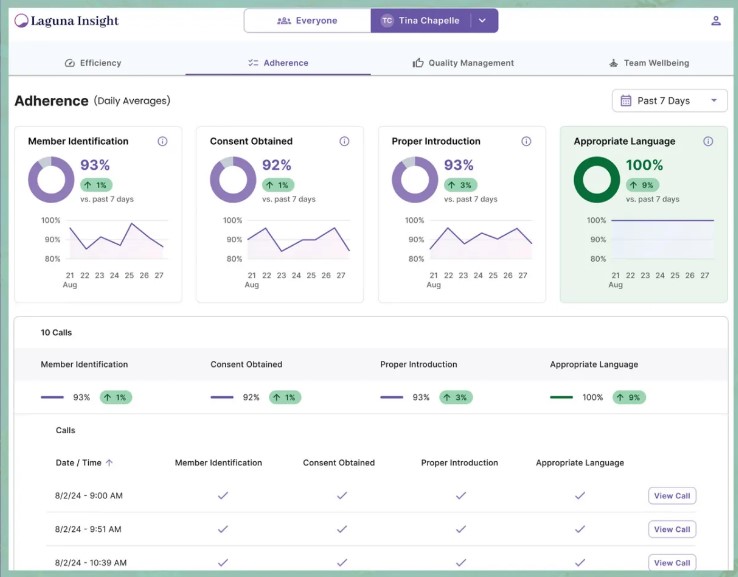
Laguna Insight is an AI system developed by Laguna Health, a “conversational intelligence” startup with teams in Tel Aviv and New York. It improves telephonic interactions between discharged patients and care managers (typically nurses). By summarizing key patient data before calls and providing real-time insights into factors like empathy and language appropriateness, the system reduces administrative overhead. Laguna Health has already partnered with Mayo Clinic, Discovery, and Highmark to implement the system in the U.S. and South Africa.
Disclaimer: The products mentioned in this article are featured solely for informational purposes. I have not received any fees, commissions, or other compensation for their inclusion.

Can I ask you a favor?
Please donate to aboutDigitalHealth.com and help sustain this not-for-profit knowledge portal. Thank you!
€1.00
 about Digital Health
One comment