
Integrated Healthcare
– Interoperability and data sharing should have high priority – says Dr. Nick Guldemond, Prof. Integrated Care & Technology.
News and knowledge about digital health

– Interoperability and data sharing should have high priority – says Dr. Nick Guldemond, Prof. Integrated Care & Technology.
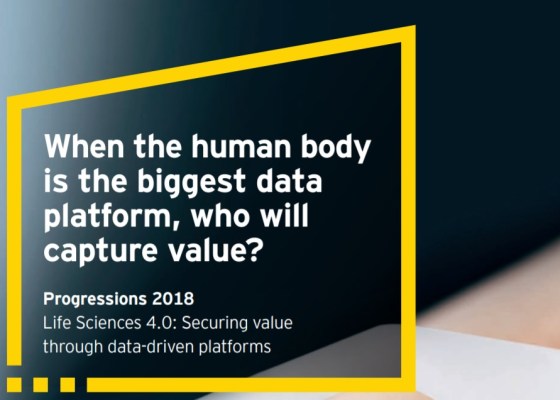
Embracing Life Sciences 4.0 is both an urgent need and a blossoming opportunity that has yet to be realized.

Future Strategist Zayna Khayat about innovations that can accelerate positive changes in healthcare.

The Accenture Digital Health Technology Vision 2018 explores five trends that underscore the importance of building a foundation of trust as technology has a greater impact on our lives.
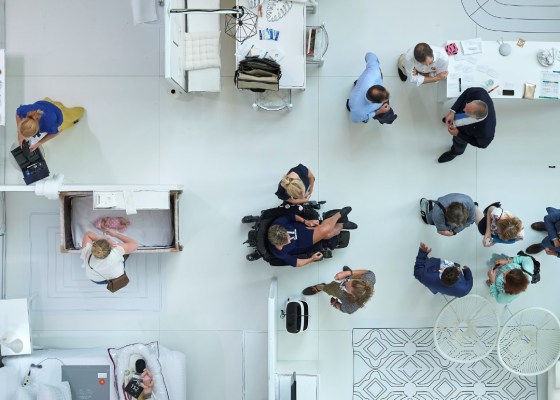
“Big Dreams Meet Real Challenges” – key messages and conclusions from the HIMSS Europe & Health 2.0 Conference.

How to use the IT potential to increase the quality of treatments, co-ordinate care and manage organisational processes?
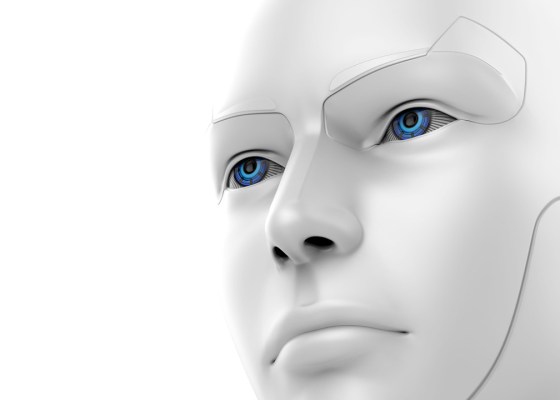
The digital revolution is disrupting the established order, provoking discussion, giving rise to concerns and hopes, and dividing society into enthusiasts and sceptics. Let’s discuss the future of artificial intelligence (AI) in healthcare.

“Everything changes, and we change with it. The world is changing, society is changing, technology is changing, and so health(care) is.” – writes Lucien Engelen in his newest book “Augmented Health(care)”.

We are witnessing a growing revolution around the provision of healthcare. Much is being driven by the proliferation of medical data and the technology that supports this. Future of Patient Data Report – 12 discussions across 11 countries, views from over 300 experts.

Virtual visits, digital doctors, automatic operating machines, implanted health monitoring sensors or robots as carers – many people are afraid of this vision of a future where the machine does away with man.
